Why 'less is more' in digital design
How reducing cognitive load, guiding attention, and aligning with human behavior leads to clearer, more effective digital experiences.
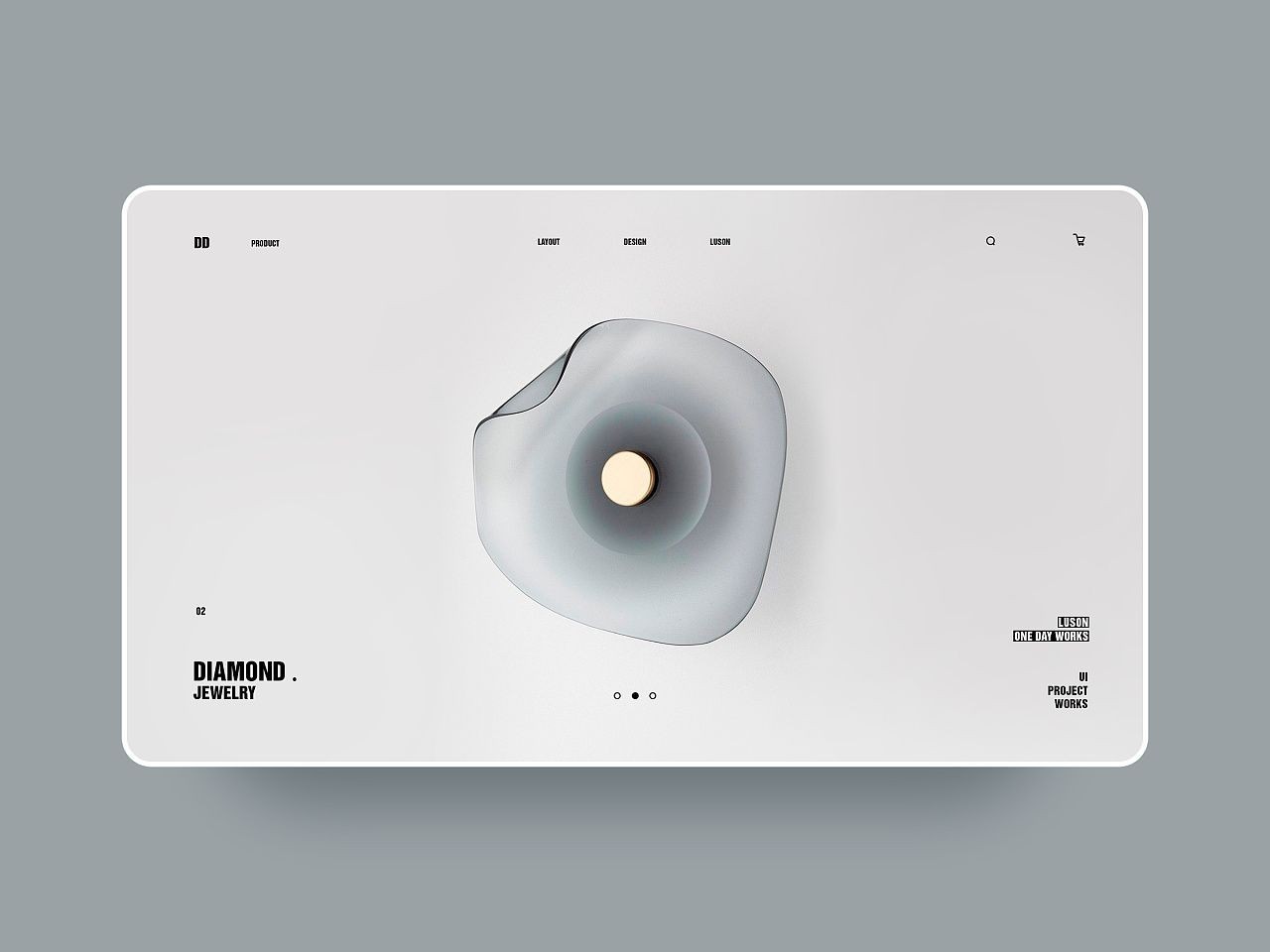
Clarity is created through hierarchy. Size, spacing, contrast, and positioning all work together to tell users what matters first, second, and last.
Patterns like the Z-pattern or F-pattern aren’t trends — they reflect how people naturally scan content. Good design doesn’t fight this behavior, it aligns with it.
When hierarchy is clear, users don’t search — they understand instantly.
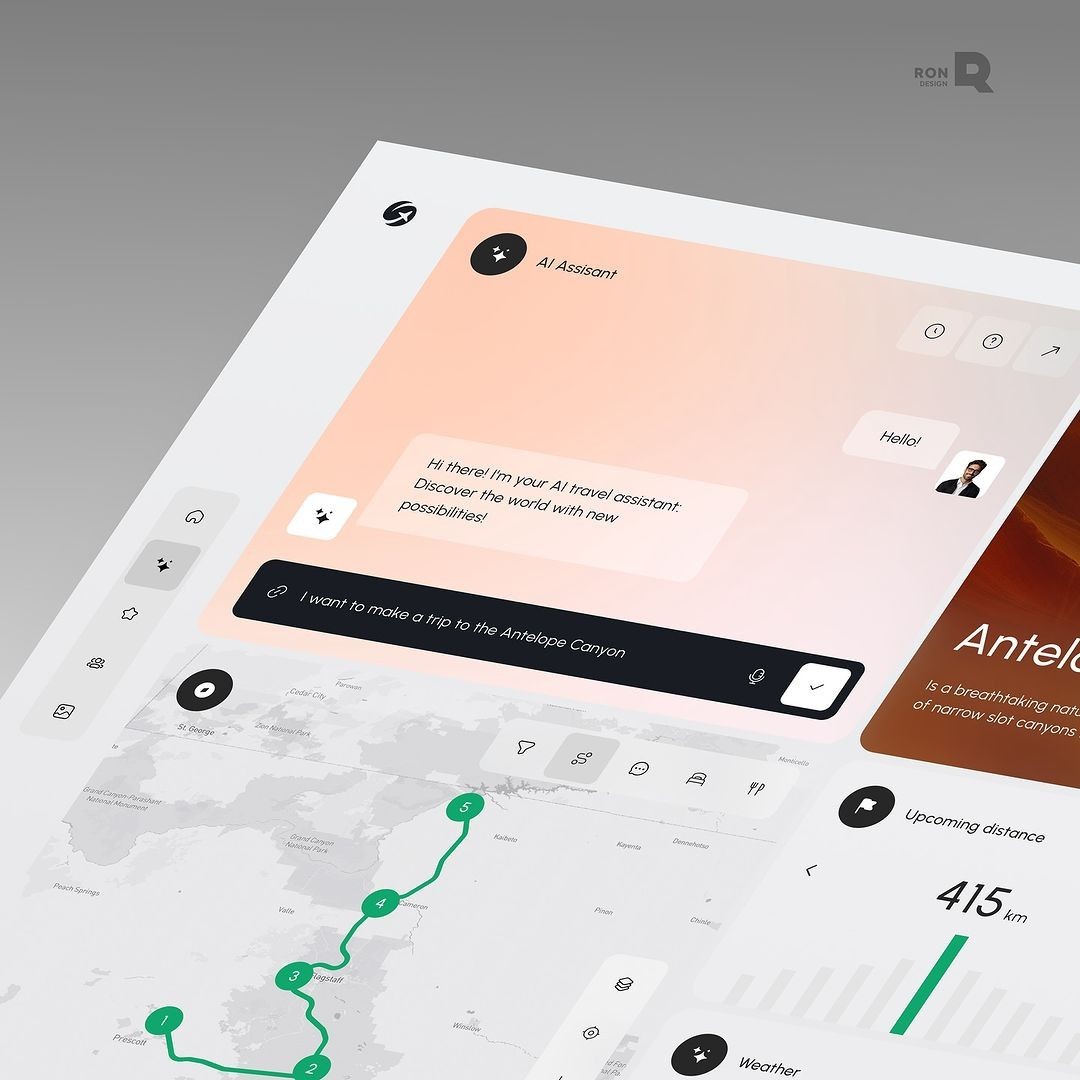
People don’t read interfaces — they scan them. They look for cues, shortcuts, and familiar structures that reduce effort.
This is why consistency matters. Repeating patterns, predictable layouts, and familiar interactions allow users to build confidence quickly.
The less users have to learn, the faster they can act — and the better the experience feels.
“Less is more” is often misunderstood as an aesthetic choice. In reality, it’s a strategy rooted in how people think, process, and decide.
The best digital products are not the ones that show everything — but the ones that show just enough.
By reducing noise, guiding attention, and respecting human behavior, design becomes not only cleaner — but more effective.

Newsroom