Why I Believe Design Is Not Decoration — It’s Decision Making
How intentional UX decisions and structured thinking create clearer, more effective web experiences.
Published
Mar 24, 2026
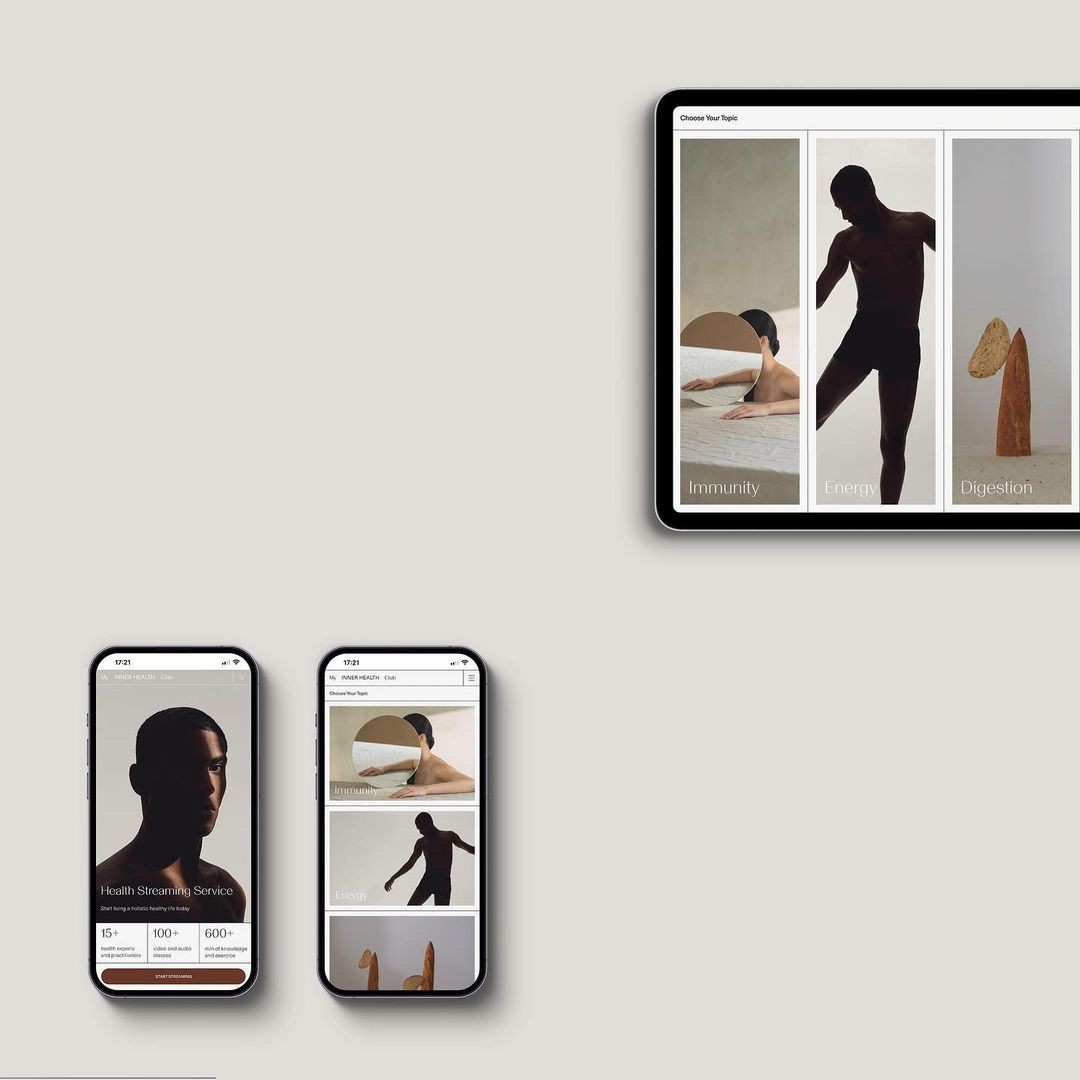
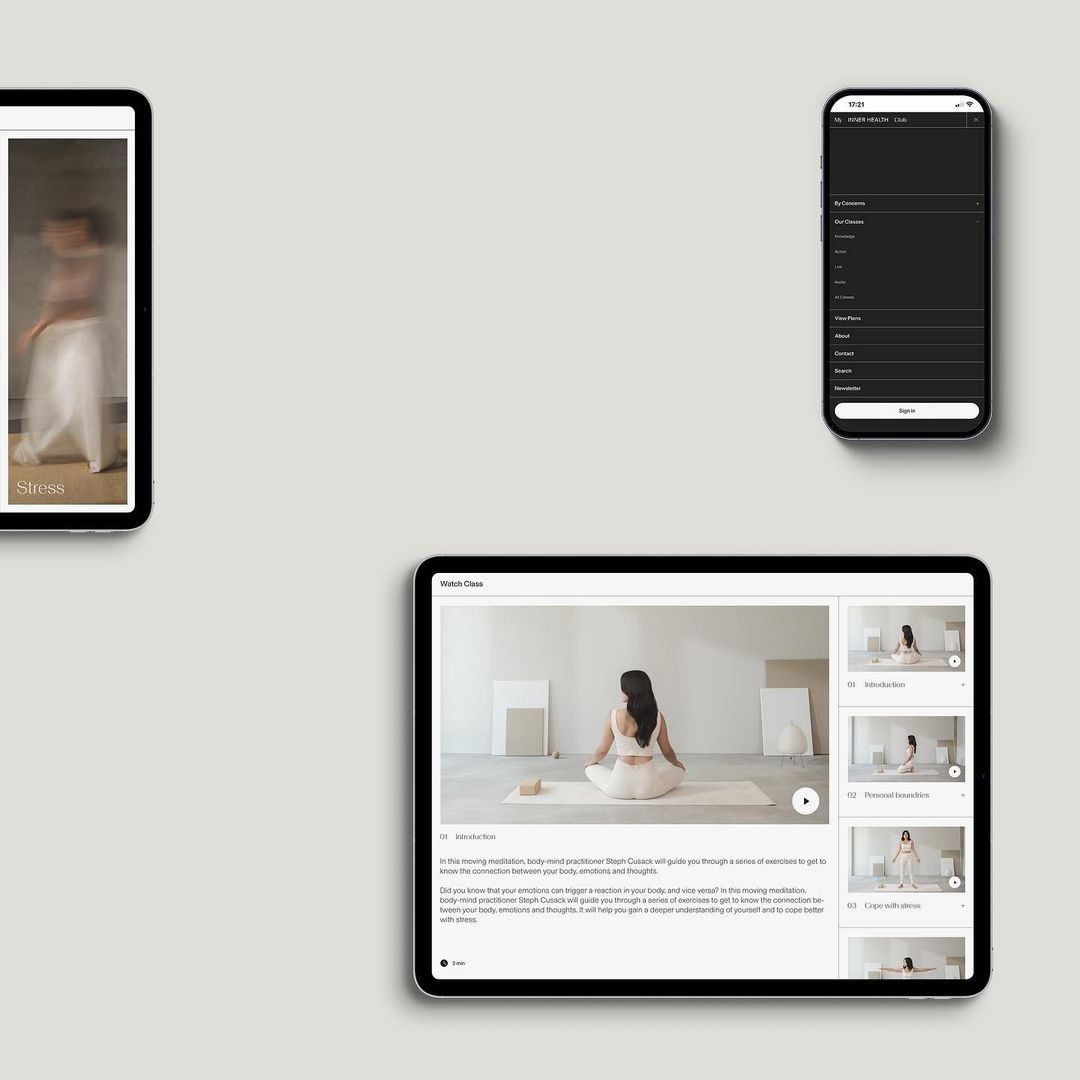

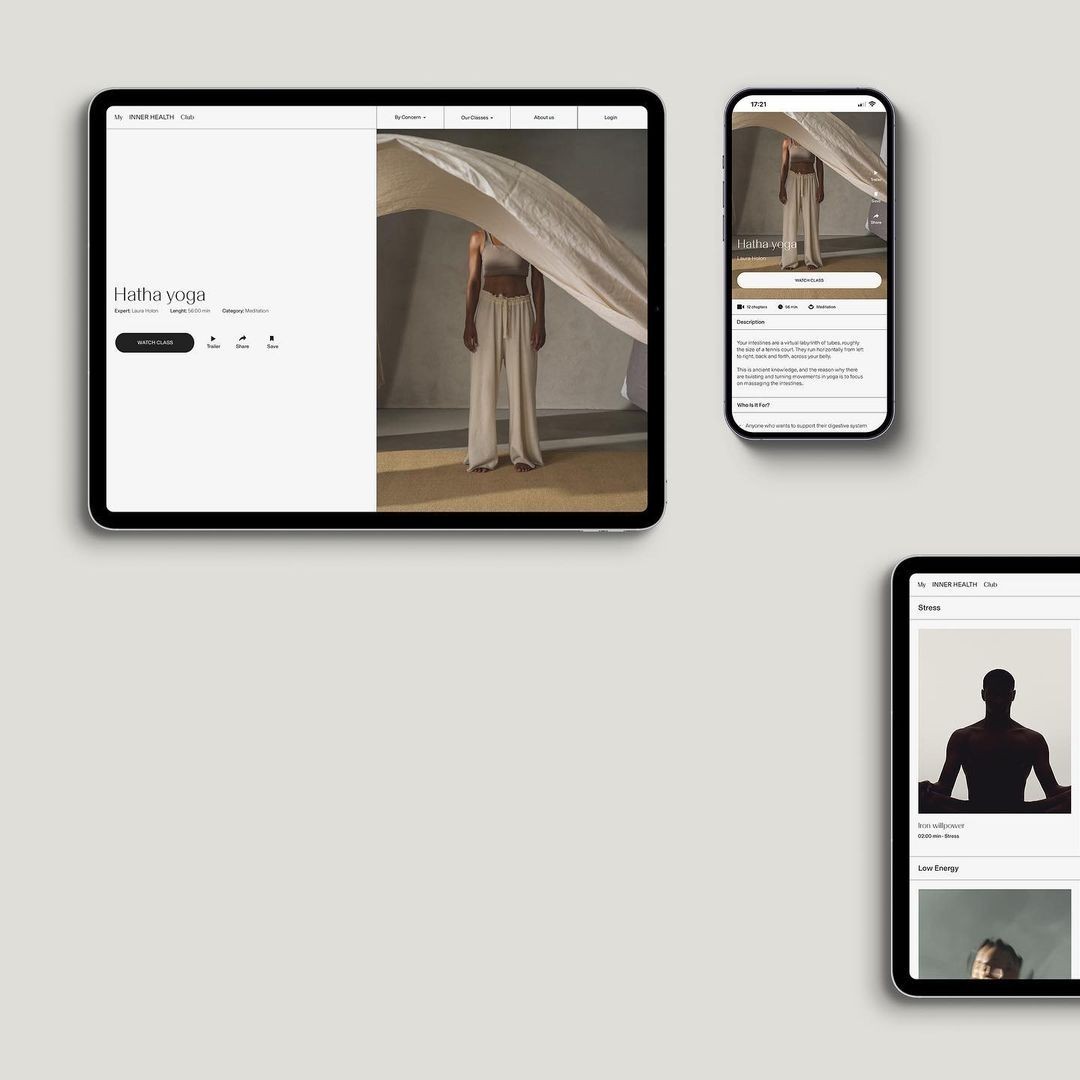
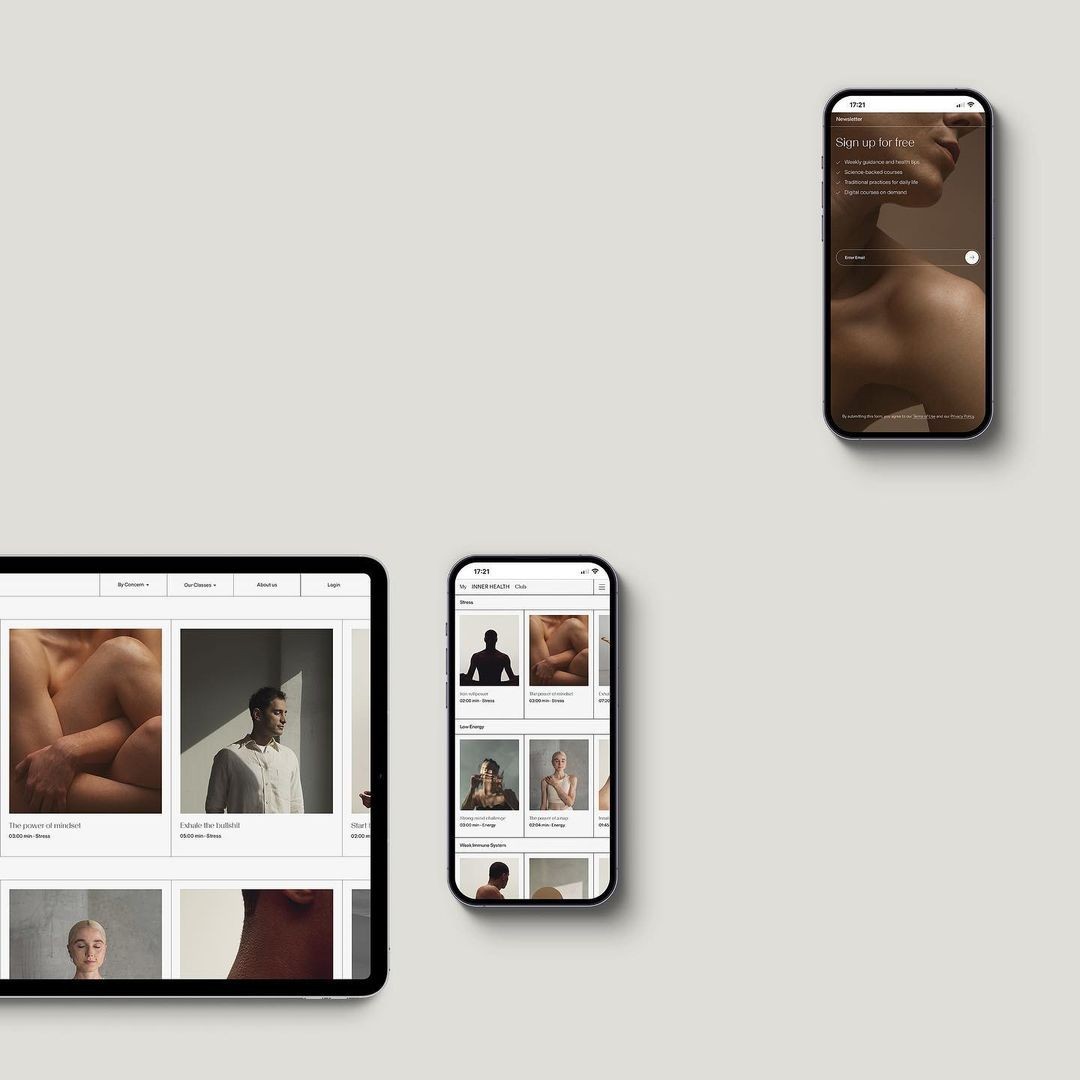
Consistency is one of the most underrated aspects of great UX. Without it, even well-designed screens start to feel unreliable. Users are forced to relearn patterns, question interactions, and hesitate.
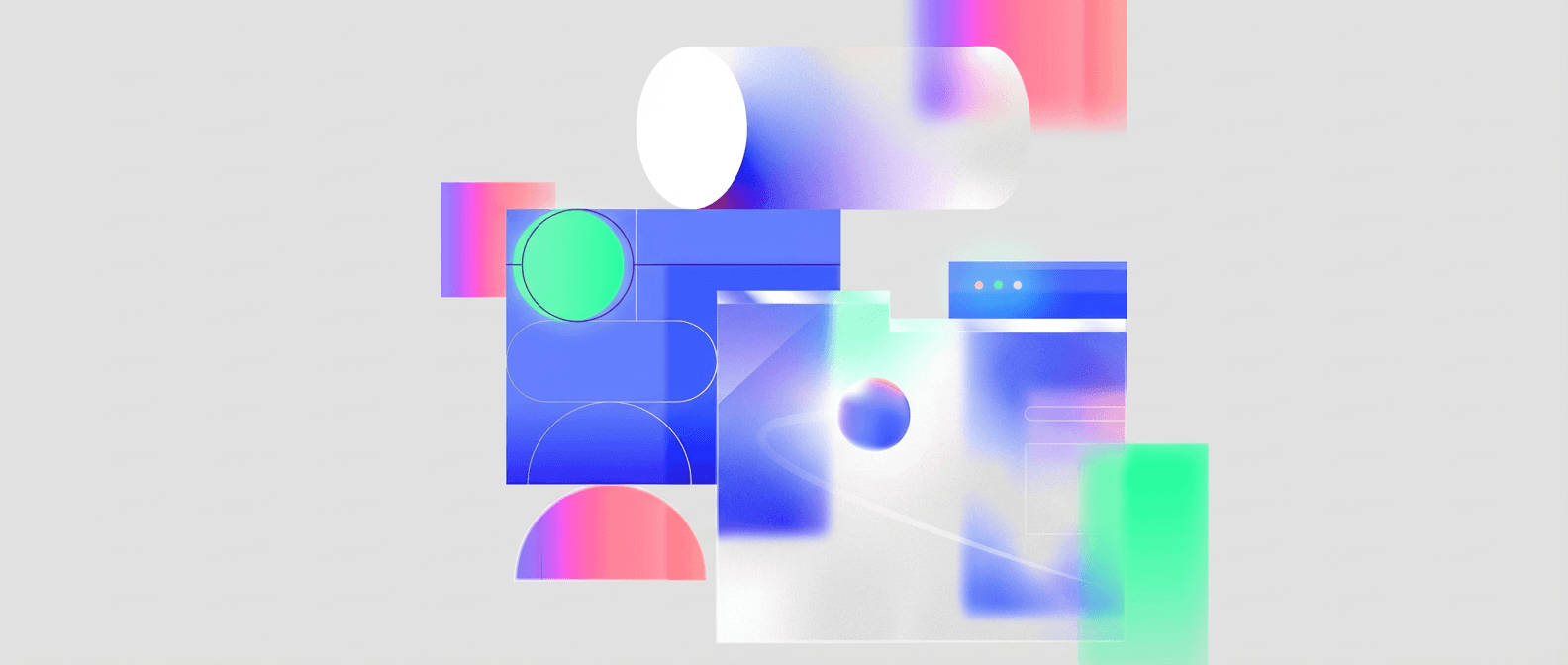
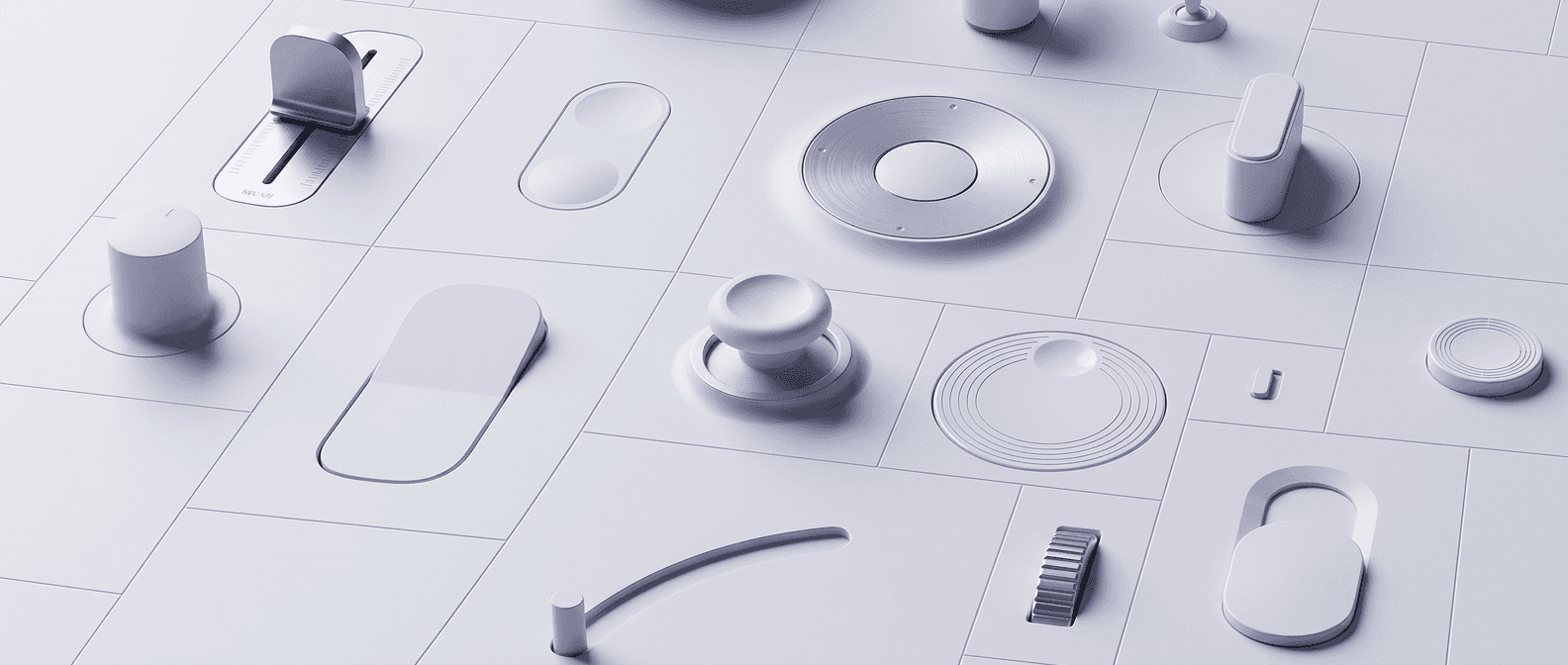
Design systems solve this by turning decisions into rules. Grids define layout. Components define behavior. Spacing and typography create rhythm. Instead of redesigning each screen from scratch, teams build on a shared foundation.
This does more than improve efficiency — it improves experience. When users encounter familiar patterns, they move faster and with more confidence. The product feels cohesive, not fragmented.
More importantly, systems free designers to focus on higher-level problems. Instead of debating button styles, they can think about flows, journeys, and outcomes. That’s where real impact happens.
At the core of every strong digital experience is intent. Not just what the interface looks like, but why it exists in the first place.
Every element should earn its place:
Does this help the user move forward?
Does it clarify or distract?
Is it necessary, or just visually appealing?
Without purpose, interfaces become cluttered. Features get added without direction. Interactions exist because they “feel nice,” not because they solve a problem. Over time, this creates products that are harder to use, harder to maintain, and harder to scale.
Purpose simplifies decisions. It acts as a filter. When the goal is clear, it becomes easier to remove, refine, and prioritize. The result is not just a cleaner interface — it’s a more effective one.
Great UX isn’t about adding more layers. It’s about aligning every detail with a clear intention and letting that intention guide the experience.
Newsroom