menu

close

menu

close

Designing With Intention: From Understanding to Execution

A structured and collaborative approach to turning ideas into clear, intentional digital experiences.

Published

Mar 24, 2026
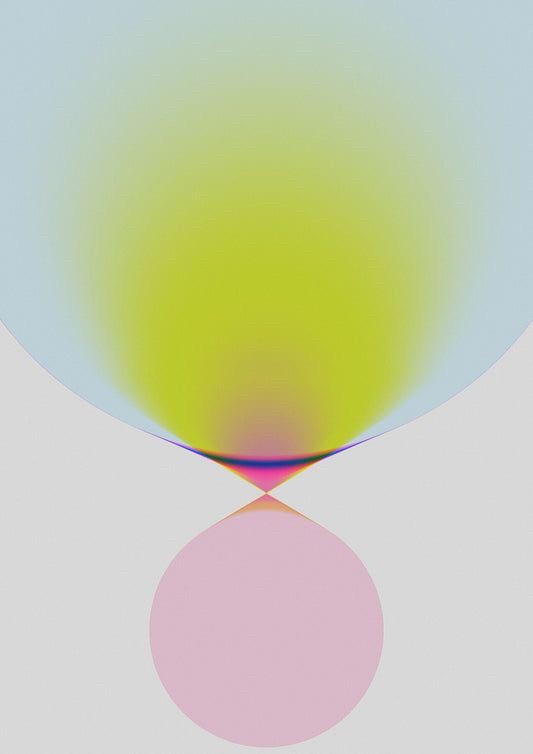
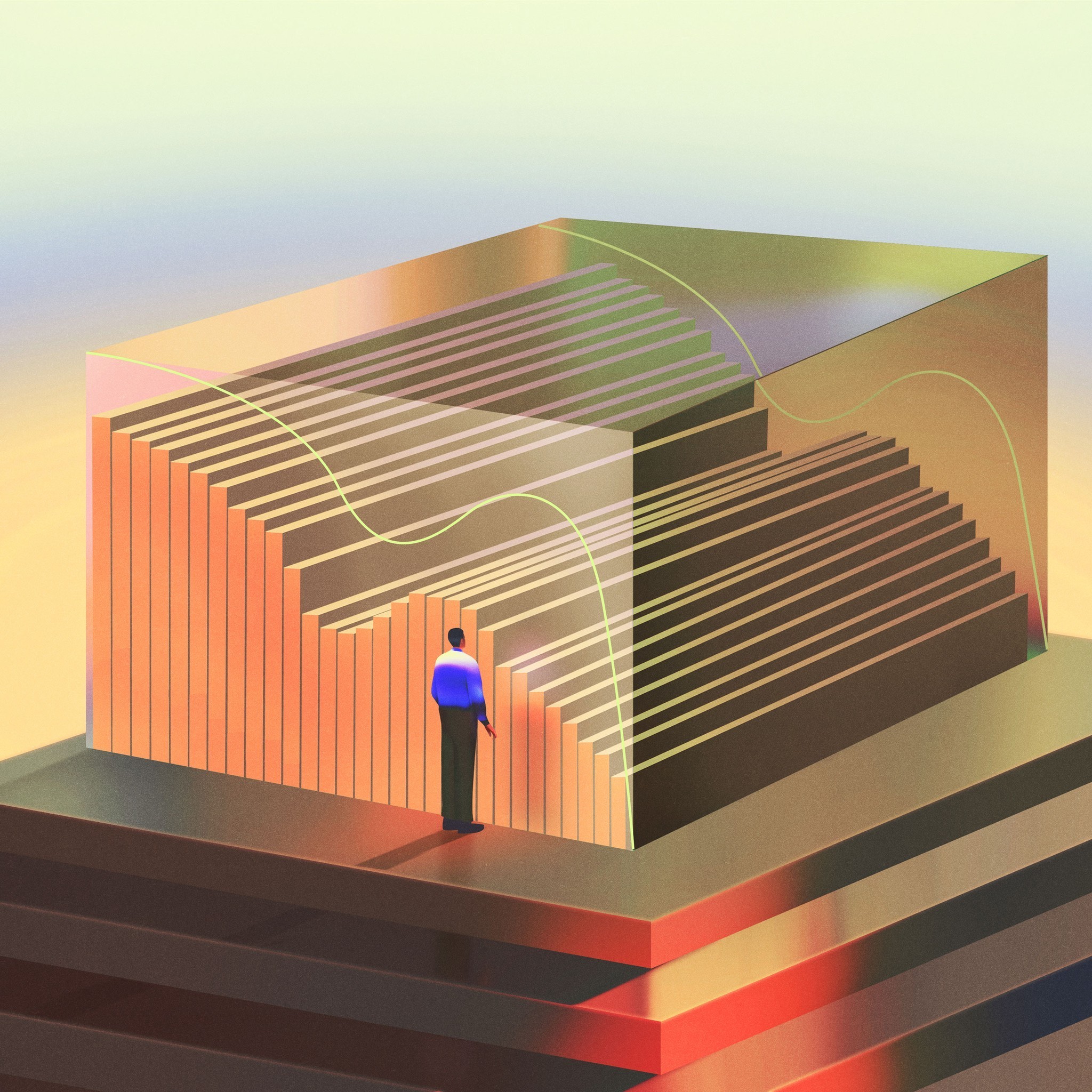
A colorful abstract design featuring a gradient of yellow and pink shapes merging at the bottom.

Every project begins with understanding — not designing.

Before moving into layout or visual direction, I focus on learning the context behind the work. This includes understanding the client’s goals, their audience, and the problem the product is trying to solve.

This stage is less about visuals and more about clarity. The better the understanding, the more intentional every design decision becomes later in the process.

Every project begins with understanding — not designing.

Before moving into layout or visual direction, I focus on learning the context behind the work. This includes understanding the client’s goals, their audience, and the problem the product is trying to solve.

This stage is less about visuals and more about clarity. The better the understanding, the more intentional every design decision becomes later in the process.

Once the direction is defined, I move into structure.

I map out how information is organized, how users navigate, and how different parts of the experience connect. This often involves wireframes, content hierarchy, and early system thinking.

A clear structure creates a foundation that supports both usability and visual design, ensuring the experience feels intuitive from the start.

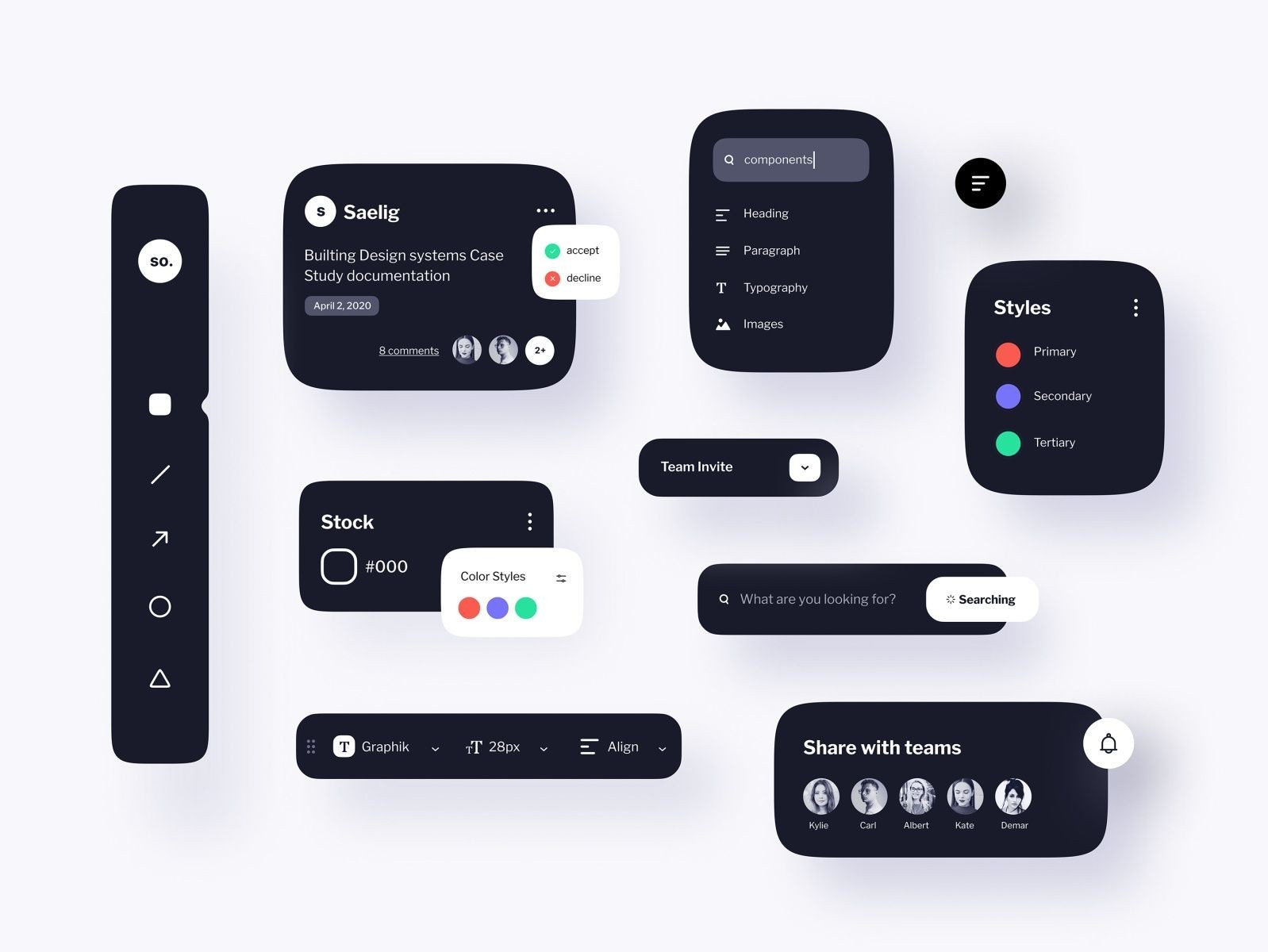
A collection of black user interface elements including buttons, toggles, and cards arranged creatively.

Visual design builds on top of structure, not separately from it.

Typography, color, and layout are developed as a cohesive system that supports the product’s purpose. Each element is considered in relation to others, creating consistency across screens and interactions.

The goal is to find a balance between clarity and expression — something that feels distinctive while remaining easy to use.

The final result is not just a set of screens, but a flexible system that can evolve over time.

Good digital design adapts to new content, new features, and changing needs without losing its clarity.

Ultimately, the focus is on creating experiences that communicate effectively, feel natural to use, and remain relevant beyond the initial launch


Visual materials by Ron Design, used for illustrative purposes.
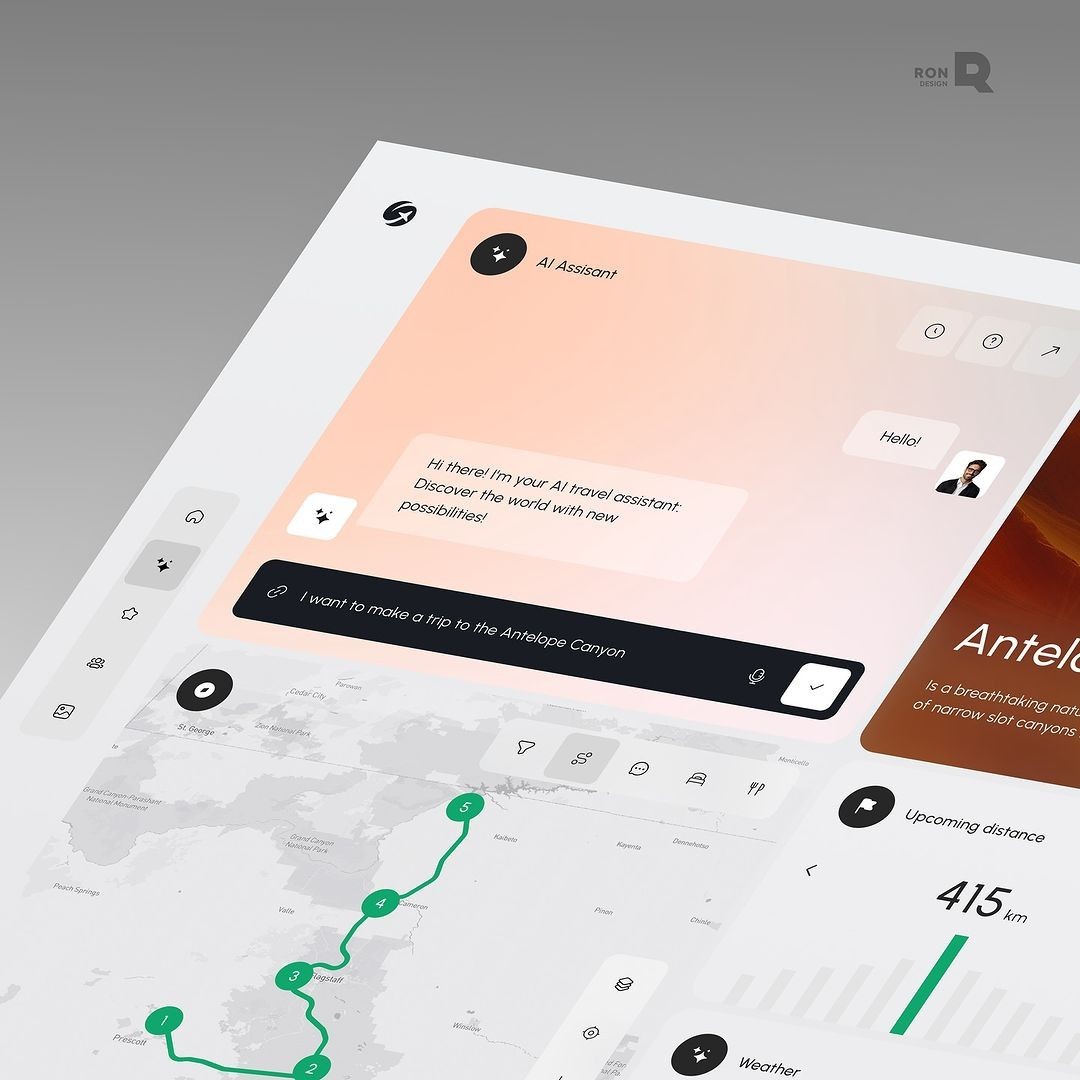
A close-up of a digital interface displaying maps, messages, and location markers with a modern design aesthetic.
A colorful abstract design featuring a gradient of yellow and pink shapes merging at the bottom.
A collection of black user interface elements including buttons, toggles, and cards arranged creatively.
A close-up of a digital interface displaying maps, messages, and location markers with a modern design aesthetic.
A collection of black user interface elements including buttons, toggles, and cards arranged creatively.
A colorful abstract design featuring a gradient of yellow and pink shapes merging at the bottom.

SUBSCRIBE TO MY NEWSBOX

By submitting, you agree with Privacy Policy.

SUBSCRIBE TO MY NEWSBOX

By submitting, you agree with Privacy Policy.

SUBSCRIBE TO MY NEWSBOX

By submitting, you agree with Privacy Policy.

SUBSCRIBE TO MY NEWSBOX

By submitting, you agree with Privacy Policy.