menu

close

menu

close

Why 'less is more' in digital design

How reducing cognitive load, guiding attention, and aligning with human behavior leads to clearer, more effective digital experiences.

Published

Mar 24, 2026
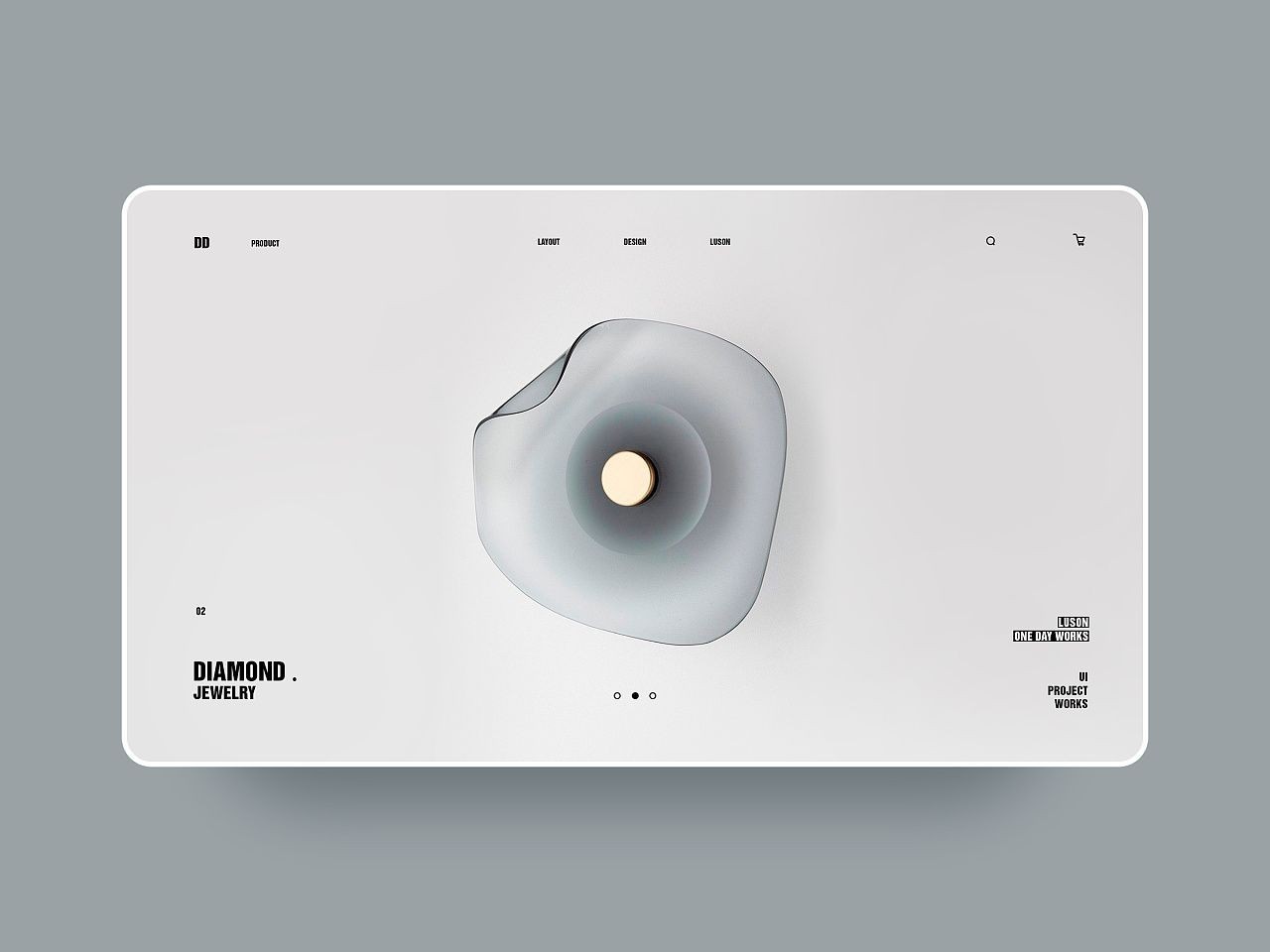
A sleek, modern electronic device with a circular center and minimalist design against a gray background.

Every interface asks something from the user — attention, decisions, effort. The more it asks, the harder it becomes to use.

This is where “less is more” stops being a visual preference and becomes a functional principle. Reducing cognitive load means removing unnecessary choices, simplifying layouts, and making interactions predictable.

When users don’t have to think about the interface, they can focus on what they came for.

Every interface asks something from the user — attention, decisions, effort. The more it asks, the harder it becomes to use.

This is where “less is more” stops being a visual preference and becomes a functional principle. Reducing cognitive load means removing unnecessary choices, simplifying layouts, and making interactions predictable.

When users don’t have to think about the interface, they can focus on what they came for.

Clarity is created through hierarchy. Size, spacing, contrast, and positioning all work together to tell users what matters first, second, and last.

Patterns like the Z-pattern or F-pattern aren’t trends — they reflect how people naturally scan content. Good design doesn’t fight this behavior, it aligns with it.

When hierarchy is clear, users don’t search — they understand instantly.

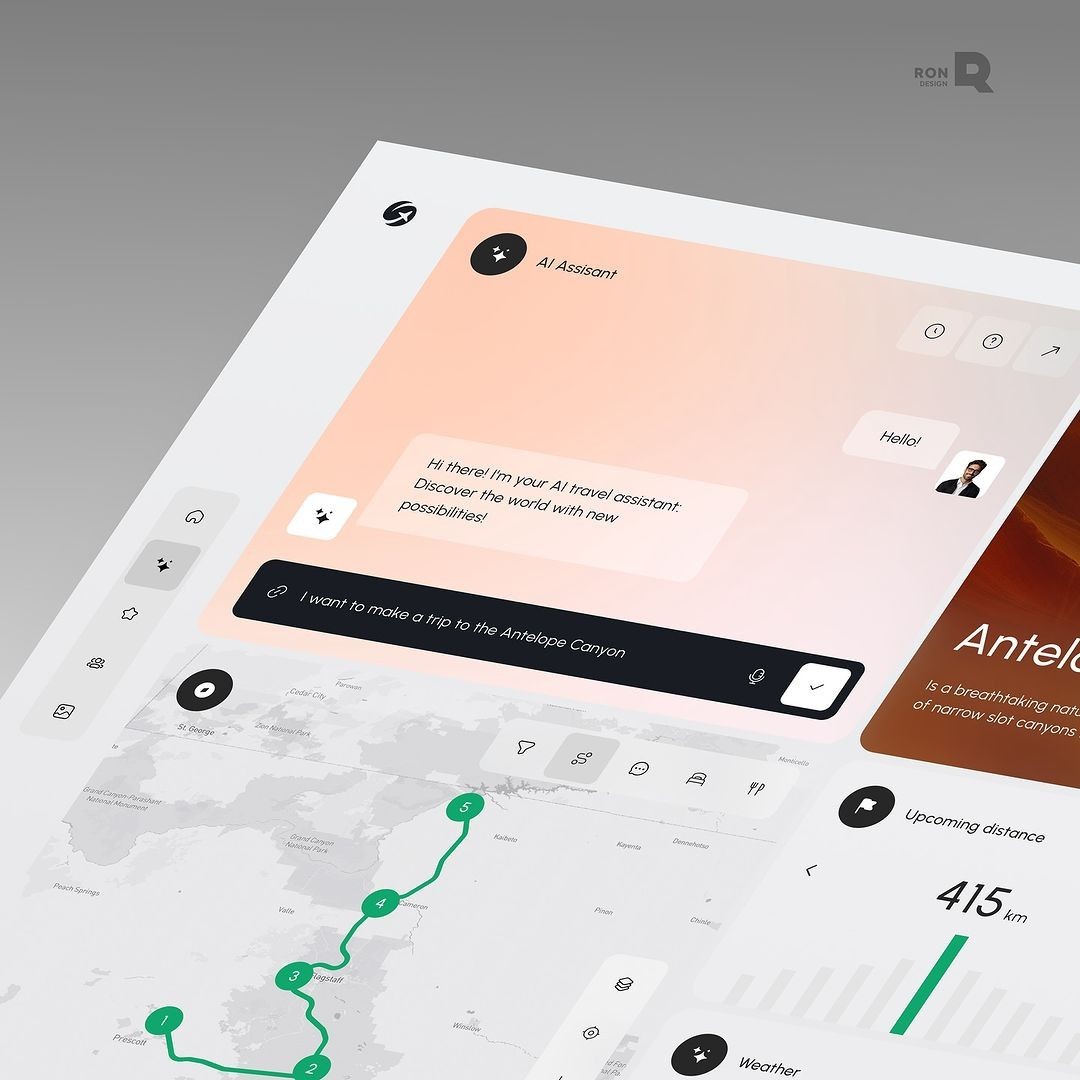
A close-up view of a digital interface displaying a chat conversation and a map with various markers.

People don’t read interfaces — they scan them. They look for cues, shortcuts, and familiar structures that reduce effort.

This is why consistency matters. Repeating patterns, predictable layouts, and familiar interactions allow users to build confidence quickly.

The less users have to learn, the faster they can act — and the better the experience feels.

“Less is more” is often misunderstood as an aesthetic choice. In reality, it’s a strategy rooted in how people think, process, and decide.

The best digital products are not the ones that show everything — but the ones that show just enough.

By reducing noise, guiding attention, and respecting human behavior, design becomes not only cleaner — but more effective.

Aerial view of a crosswalk featuring bold black and white stripes, creating a geometric pattern on the pavement.
A sleek, modern electronic device with a circular center and minimalist design against a gray background.
A close-up view of a digital interface displaying a chat conversation and a map with various markers.
Aerial view of a crosswalk featuring bold black and white stripes, creating a geometric pattern on the pavement.
A close-up view of a digital interface displaying a chat conversation and a map with various markers.
A sleek, modern electronic device with a circular center and minimalist design against a gray background.

SUBSCRIBE TO MY NEWSBOX

By submitting, you agree with Privacy Policy.

SUBSCRIBE TO MY NEWSBOX

By submitting, you agree with Privacy Policy.

SUBSCRIBE TO MY NEWSBOX

By submitting, you agree with Privacy Policy.

SUBSCRIBE TO MY NEWSBOX

By submitting, you agree with Privacy Policy.