The Blurring Line Between Designer and Developer
How AI and evolving expectations are reshaping UX/UI design into a hybrid discipline.
Published
Mar 24, 2026
Several forces are accelerating this shift. AI tools can now generate layouts, suggest interactions, and even produce code. Platforms like Webflow, Framer, and similar tools reduce the gap between design and production. At the same time, companies are optimizing for speed—fewer handoffs, faster iterations, and more ownership per role.
As a result, designers are expected to think beyond visuals. It’s no longer just about how something looks, but how it behaves, how it’s built, and how feasible it is within real constraints.
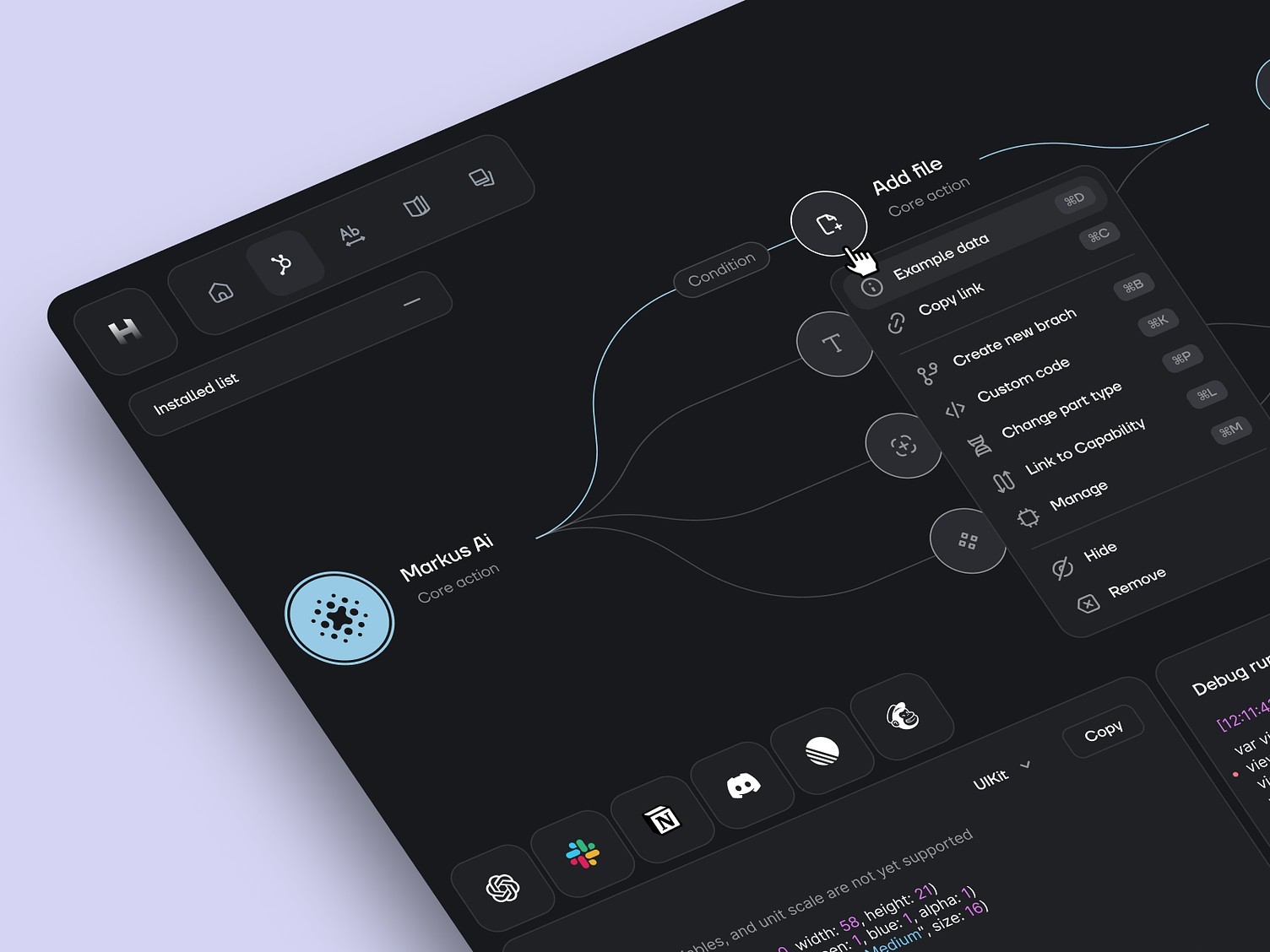
There’s a clear upside to this evolution. Designers who understand development can create more realistic solutions, collaborate better with engineers, and move ideas forward faster. The process becomes more fluid, and the gap between concept and execution shrinks.
But this shift also introduces tension. Expectations can become blurred, and roles overloaded. When designers are asked to design, prototype, and build, depth can suffer. There’s a real risk of turning specialized roles into generalized ones without properly valuing either discipline.
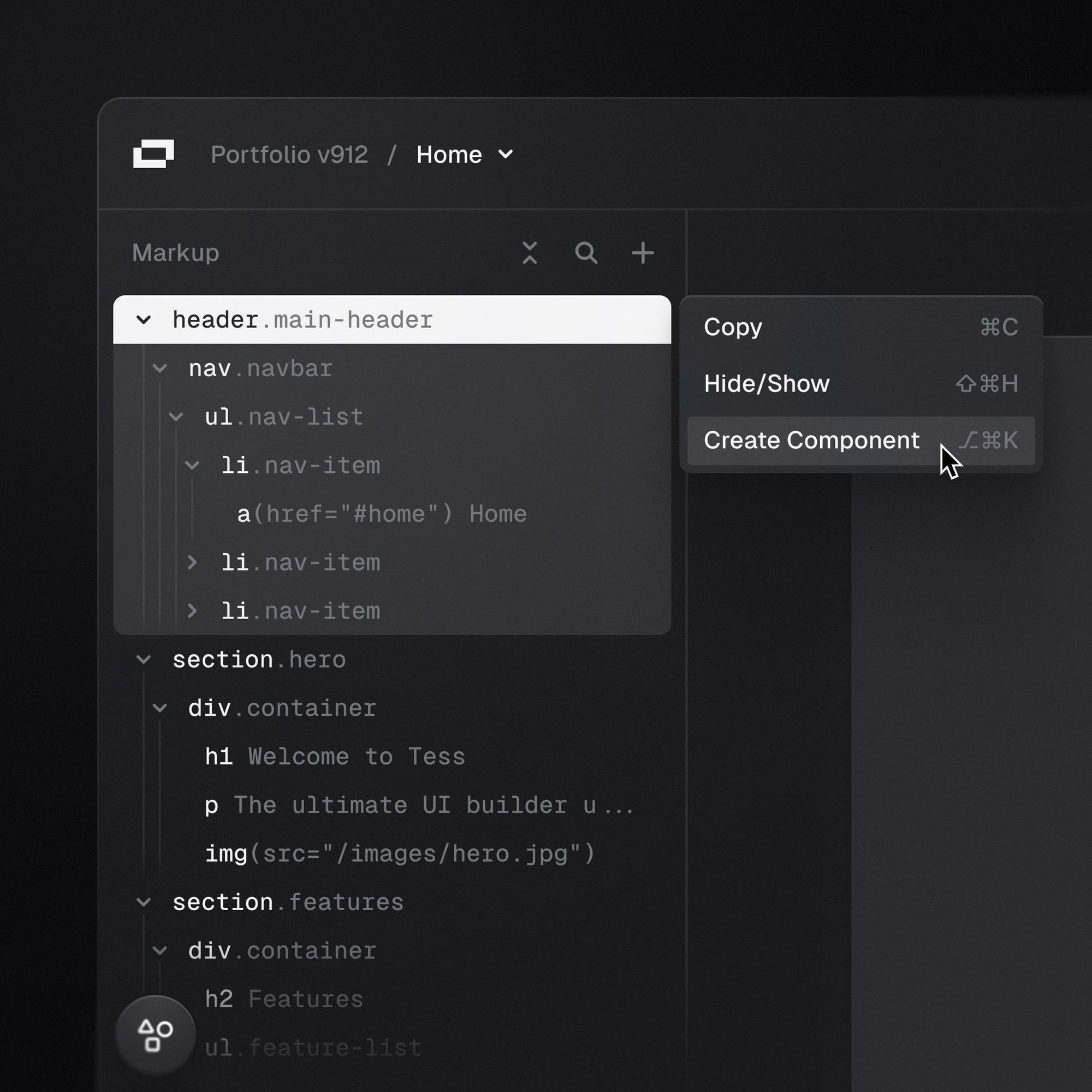
The line between designer and developer may be blurring, but that doesn’t mean the roles are identical. The goal isn’t to replace one with the other—it’s to build better understanding between them.
For designers, this means learning how things work, not necessarily mastering how to build everything. It means thinking in systems, understanding constraints, and using tools—including AI—to enhance, not replace, their core skills.
The future of UX/UI design isn’t about doing everything. It’s about knowing enough to make better decisions—and staying strong in what truly defines good design.
Newsroom